

It's hard to believe that a new moon is already upon us. It feels like just yesterday I was visiting my friends in Brooklyn and reading about Rosh Chodesh Tevet...
This month is an easy one! This week we're entering Shevat, during which we'll celebrate Tu B'Shevat in a few weeks (Tu B'Shevat means the 15th of Shevat, which is traditionally observed as an arbor holiday - more on that later this month).
But during this week, the first week of Shevat, we read about the Israelites' exodus from Egypt. This week's parshah, B'Shalach, is the one in which Moses parts the Red Sea and the Israelites follow him out of Egypt. Many of us are already familiar with this parshah, as it marks one of the most significant milestones in the Jewish people's story of strength and survival. But this is also the parshah in which we meet Miriam, who notably is the first person in the Torah to be introduced as a prophet.
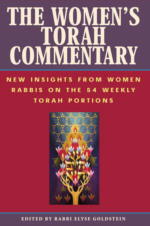
Although her name first appears after Moses and his people reach dry land, according to The Women's Torah Commentary, Miriam was a central figure in this story throughout the entire journey. However, in the opening of the parshah, we are told that, "direct representation of this story is sacrificed because it could bring tensions between those who followed Moses and those who followed Miriam."
According to the parshah, Miriam brought her timbrel (or tamborine) with her, and led everyone in song and dance after they were safely out of Egypt. The Israelites sang the "Song of the Sea," and followed Miriam as she lifted their spirits and led the celebration of their newly-found freedom. For this reason, this shabbat is often refered to as "Shabbat Shira," which means "Shabbat of Song." (If you're thinking what I'm thinking, it may seem strange that as they were fleeing Egypt, Miriam thought to pack a musical instrument with her. But contemporary scholars say that women in ancient medieval cultures had a tradition of participating in musical celebrations.) The parsha also says that Miriam was the source of water that nourished the thirsty travellers during their exodus, and was the main source of strength that helped the Israelites survive.
Because, like many heroines, Miriam's full story has been largly omitted from biblical commentary, we should celebrate what we do know about her this shabbat. I've posted some songs from my favorite female vocalists (new and old) on the new playlist I've added to the bottom of this blog. See if you like them...or let on some music from your favorite modern-day female artists fill your room, and remember the spirit and leadership of this too-frequently "unsung" heroine.
This month is an easy one! This week we're entering Shevat, during which we'll celebrate Tu B'Shevat in a few weeks (Tu B'Shevat means the 15th of Shevat, which is traditionally observed as an arbor holiday - more on that later this month).
But during this week, the first week of Shevat, we read about the Israelites' exodus from Egypt. This week's parshah, B'Shalach, is the one in which Moses parts the Red Sea and the Israelites follow him out of Egypt. Many of us are already familiar with this parshah, as it marks one of the most significant milestones in the Jewish people's story of strength and survival. But this is also the parshah in which we meet Miriam, who notably is the first person in the Torah to be introduced as a prophet.
Although her name first appears after Moses and his people reach dry land, according to The Women's Torah Commentary, Miriam was a central figure in this story throughout the entire journey. However, in the opening of the parshah, we are told that, "direct representation of this story is sacrificed because it could bring tensions between those who followed Moses and those who followed Miriam."
According to the parshah, Miriam brought her timbrel (or tamborine) with her, and led everyone in song and dance after they were safely out of Egypt. The Israelites sang the "Song of the Sea," and followed Miriam as she lifted their spirits and led the celebration of their newly-found freedom. For this reason, this shabbat is often refered to as "Shabbat Shira," which means "Shabbat of Song." (If you're thinking what I'm thinking, it may seem strange that as they were fleeing Egypt, Miriam thought to pack a musical instrument with her. But contemporary scholars say that women in ancient medieval cultures had a tradition of participating in musical celebrations.) The parsha also says that Miriam was the source of water that nourished the thirsty travellers during their exodus, and was the main source of strength that helped the Israelites survive.
Because, like many heroines, Miriam's full story has been largly omitted from biblical commentary, we should celebrate what we do know about her this shabbat. I've posted some songs from my favorite female vocalists (new and old) on the new playlist I've added to the bottom of this blog. See if you like them...or let on some music from your favorite modern-day female artists fill your room, and remember the spirit and leadership of this too-frequently "unsung" heroine.


1 comments:
I've become a loyal reader of SabraSpa and love your weekly updates. The content is great, ideas/suggestions are wonderful and the links are terrific!
Post a Comment